In The Path of Duality, spatial design serves as a metaphor for life's philosophical journey, where choice and perception shape outcomes. This project juxtaposes two distinct spatial experiences—one initially expansive and inviting, the other constricting and challenging. Through these spaces, the architecture prompts a reflection on the nature of ease and difficulty, and the profound implications of the paths we choose.

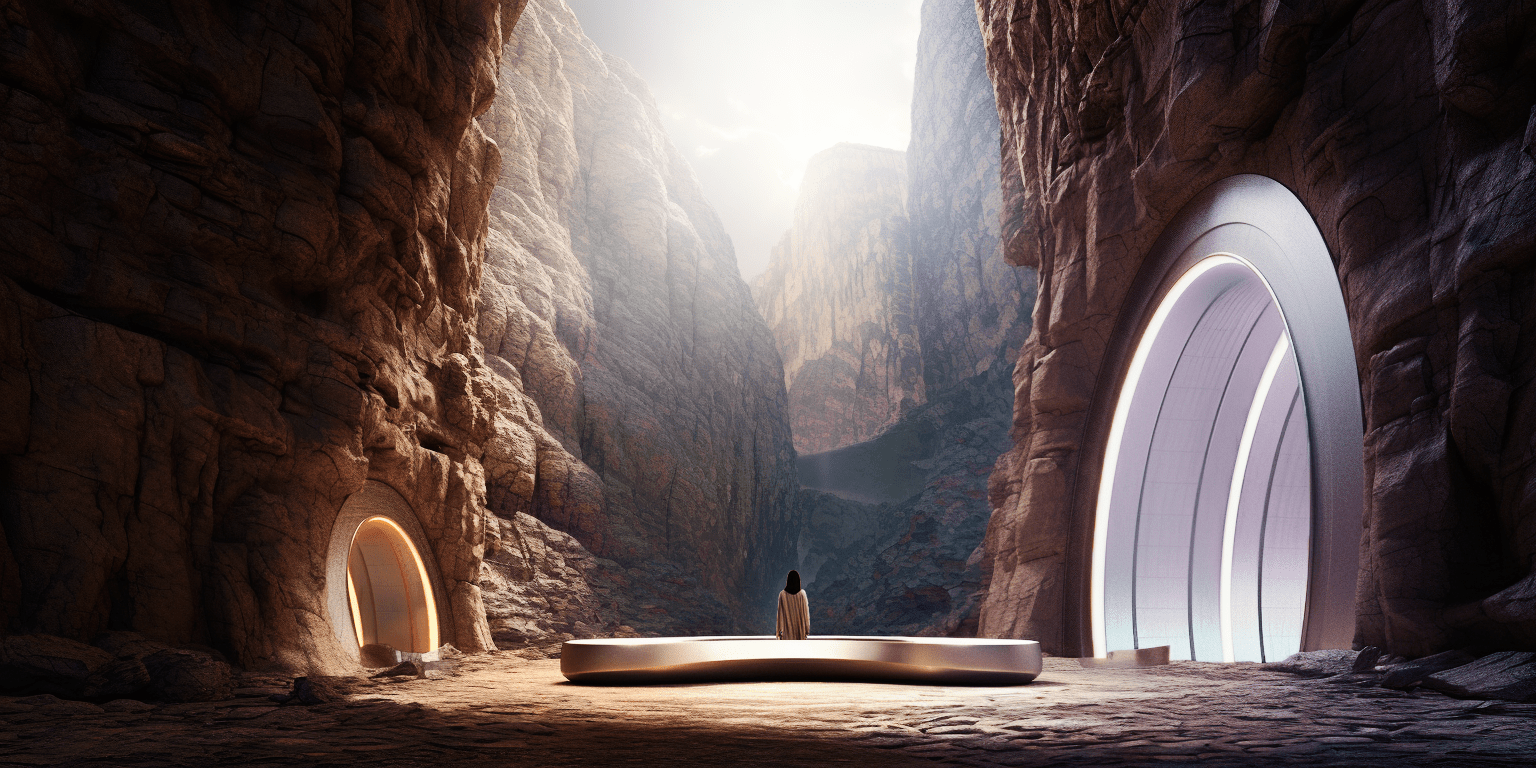
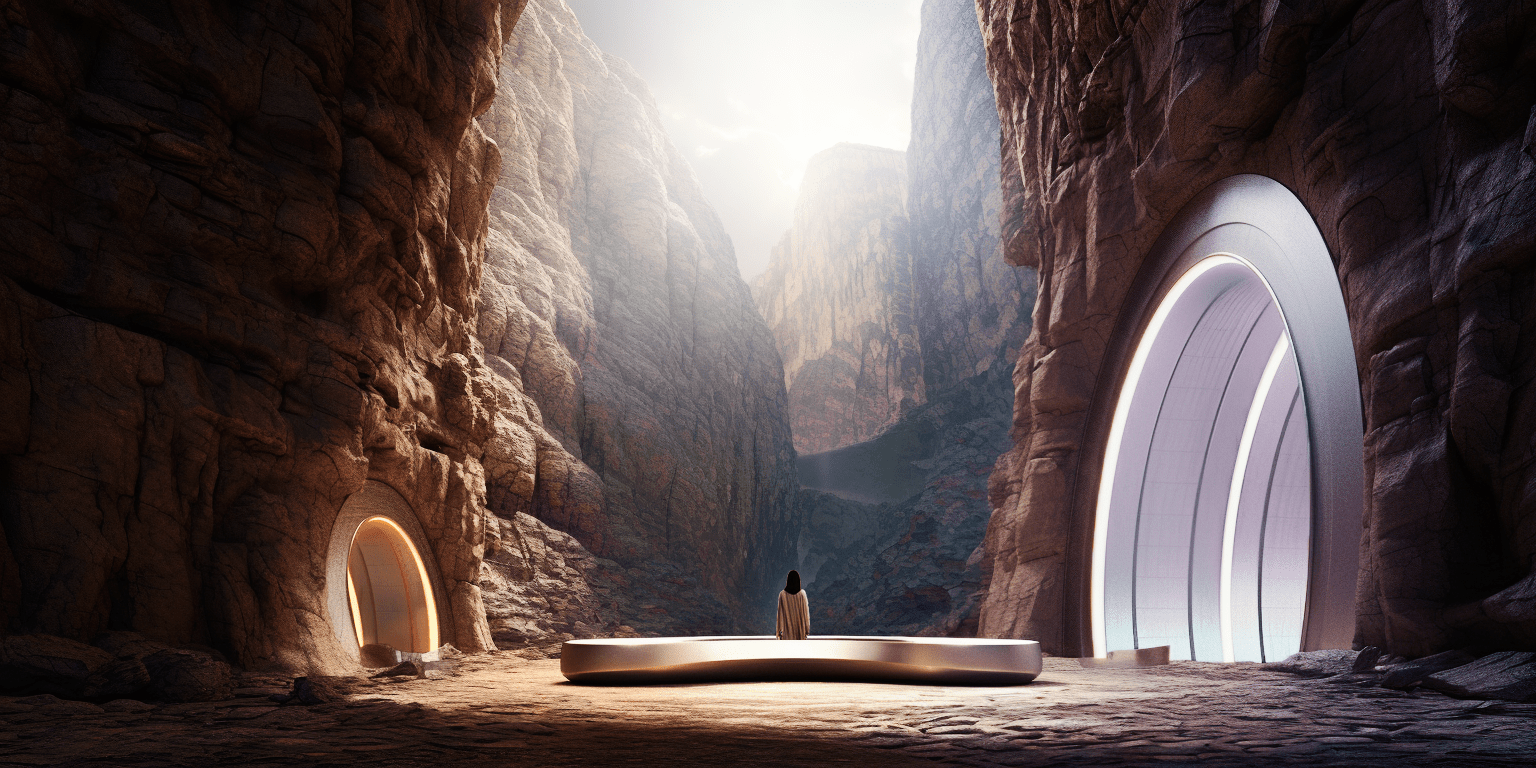
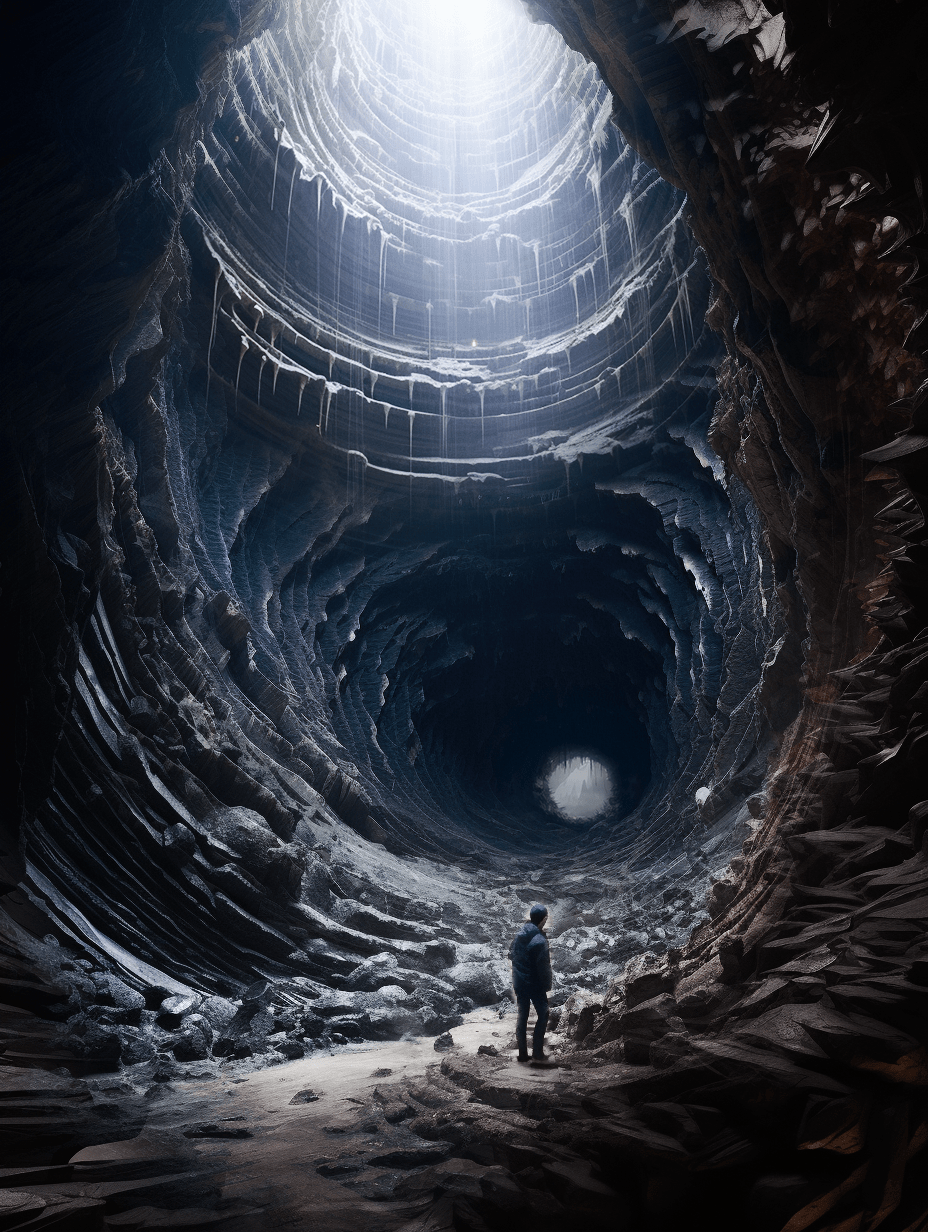
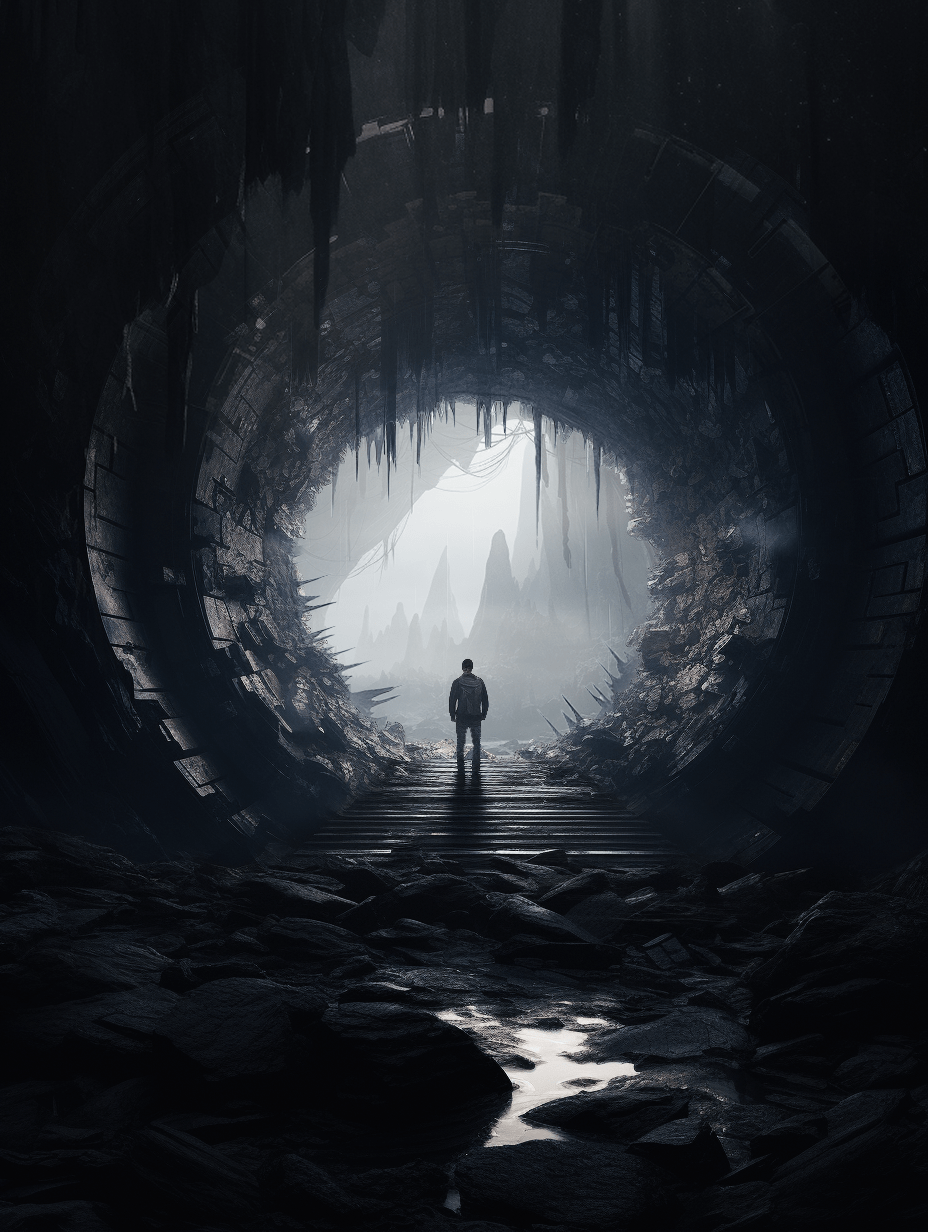
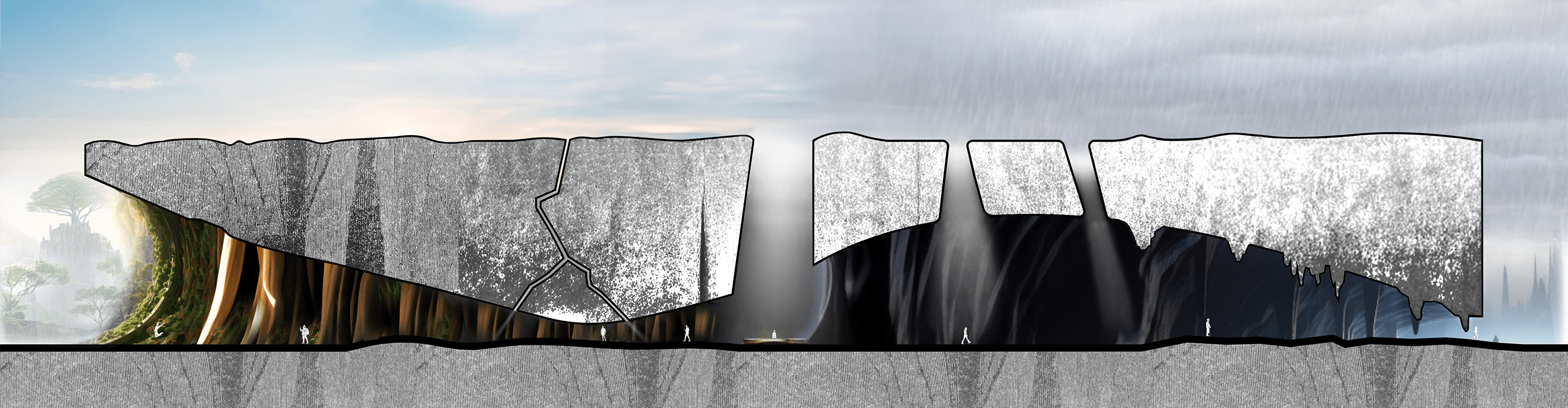
The first path, marked by a large, grand opening, offers an immediate sense of relief. The wide passage, bathed in natural light, suggests a positive, open space—calm and secure. The traveler feels at ease, their steps unhindered. Yet subtle architectural details—a jagged rock here, an ominous shadow there—hint at the trials to come. Despite the inviting beginning, the journey grows more precarious as the space narrows and darkens. The early comfort gives way to a foreboding atmosphere, and the path leads not to the expected liberation, but to an oppressive, claustrophobic end.

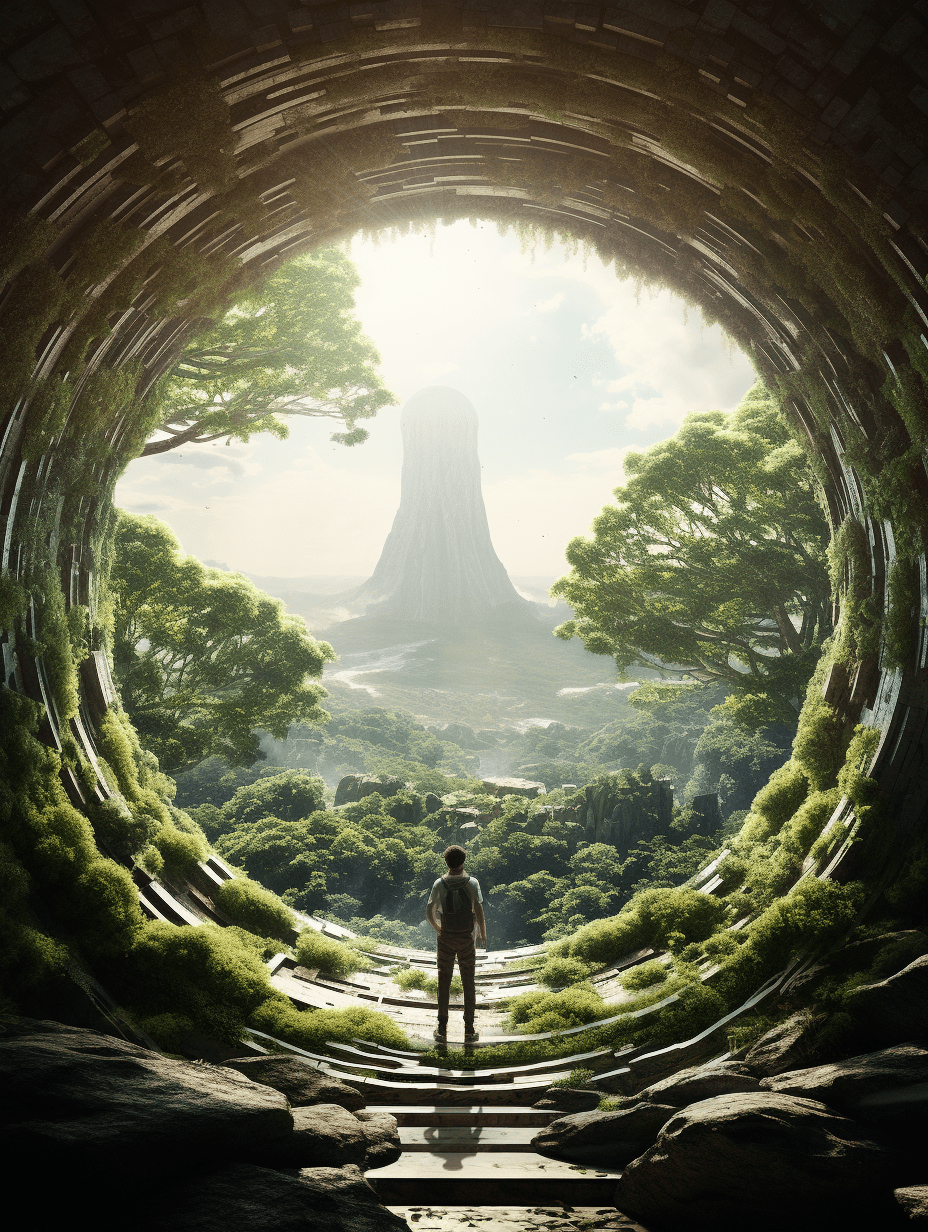
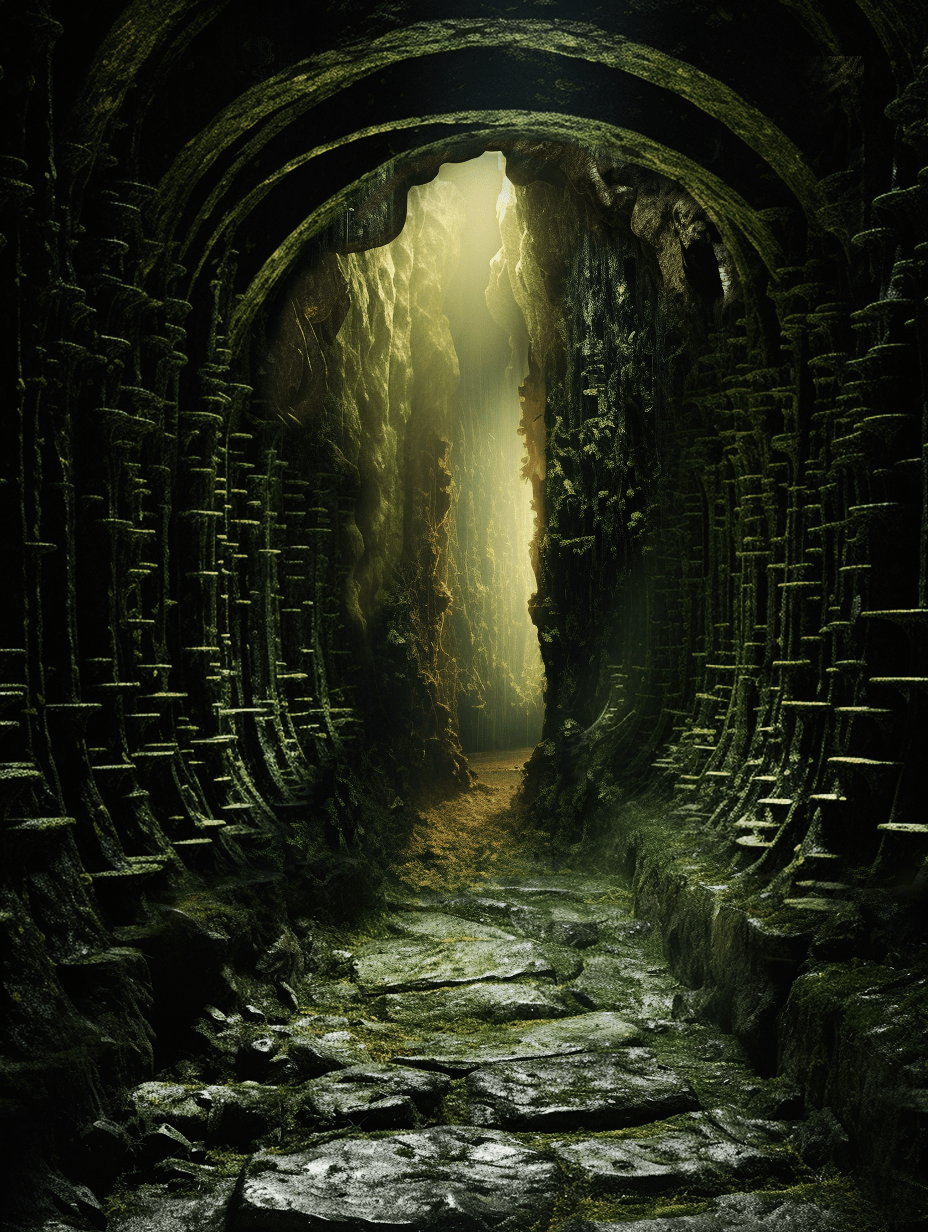
Conversely, the second path begins in an almost unbearable constriction. The entrance is narrow, the space suffocating, evoking discomfort and fear. Moss and damp stone create a sense of decay and entrapment, pressing in on the visitor from all sides. However, as one perseveres through the suffocating passage, small cues—a soft glow in the distance, a change in texture underfoot—signal a transformation. Gradually, the space opens, the light becomes warmer, and the traveler emerges into a vibrant, thriving environment. The final destination, a lush, sun-drenched haven, bursts with life—trees, birds, and flowing water all symbolizing renewal and growth.

The architectural language of The Path of Duality explores the inversion of expectations, offering a poignant commentary on human choice. What appears to be a positive space can mask challenges ahead, while spaces of hardship may hold the promise of reward. Through the careful manipulation of spatial proportions, materiality, and light, this project transcends the physical realm, urging contemplation on the consequences of our choices. The experience becomes an allegory for life: ease may deceive, and struggle may lead to enlightenment.

This duality within the design also embodies a philosophical reflection on perseverance and the human condition. One path promises an easy start but deteriorates, while the other begins in adversity yet concludes in triumph. The spaces evoke a sense of temporal progression, where the initial conditions do not define the eventual outcome. As such, the project underscores a central philosophical truth: the worth of a journey is not always determined by its beginning, but by the strength of one's resolve to endure, adapt, and thrive.

 LYT-X STUDIO